Understanding How FHA Title I Loans Work
Navigating home financing can feel overwhelming, especially when traditional mortgages demand pristine credit or heaps of existing equity. The Title I program bridges this gap by offering government-backed stability to both homeowners and prospective buyers.
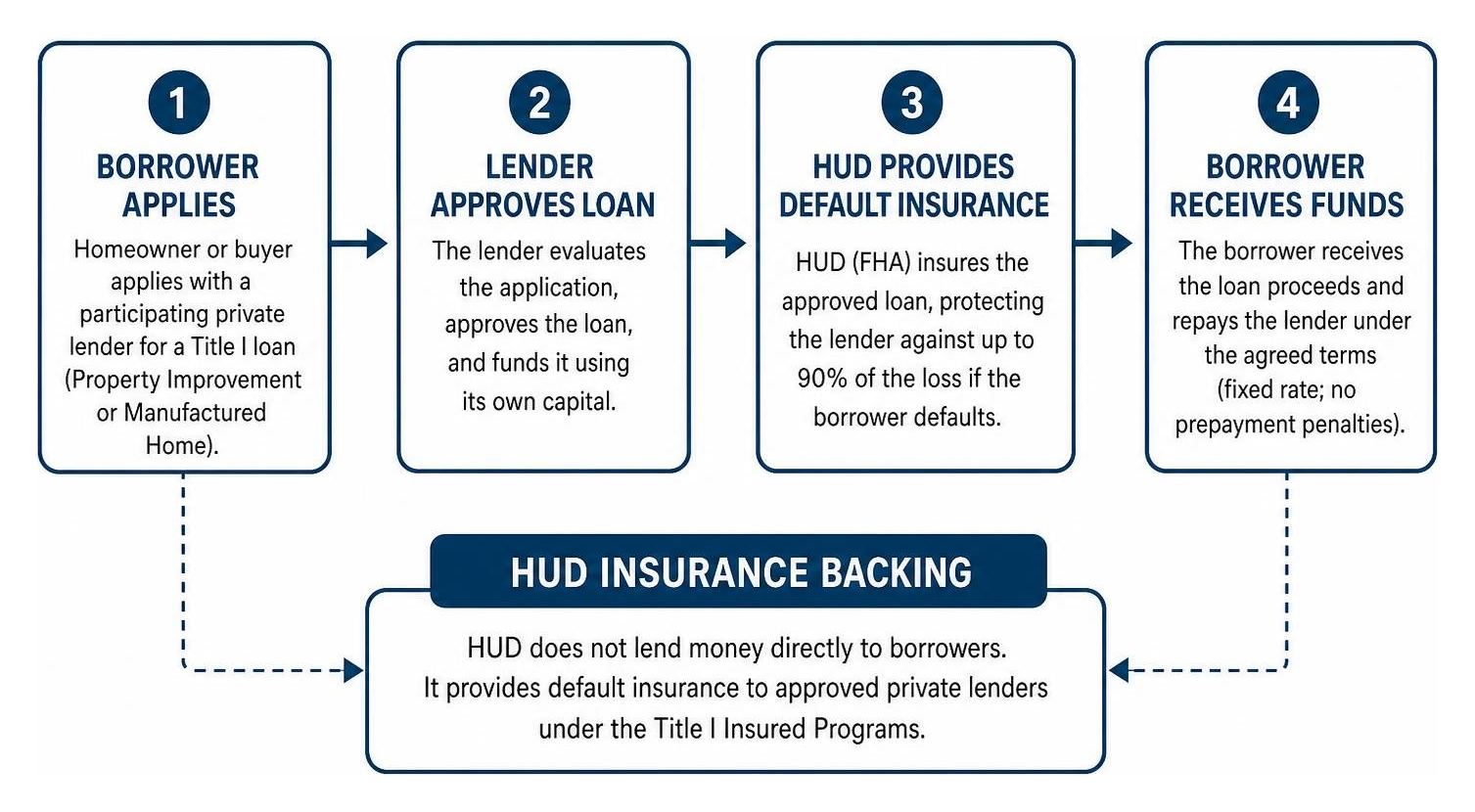
The fundamental mechanic of the program is straightforward: the Federal Housing Administration (FHA), operating under the Department of Housing and Urban Development (HUD), does not hand out cash directly to borrowers. Instead, HUD provides default insurance to approved private lenders. Under the Title I Insured Programs, HUD protects participating lenders against up to 90% of the loss on any individual loan if a borrower defaults. This safety net encourages private financial institutions to extend credit to borrowers who might otherwise be turned away.
Whether you are seeking FHA Home Loans for purchase financing or considering Securing Your First Home with Federal Housing Loans, Title I serves a distinct niche by prioritizing accessibility and direct property utility.
Core Types and Purpose of FHA Title I Loans
The program divides neatly into two specialized lending tracks:
- Property Improvement Loans: Geared toward repairing, rehabilitating, or modernizing existing residential structures and nonresidential buildings. The primary objective is to protect or enhance the basic livability, structural safety, and operational utility of the home.
- Manufactured Home Loans: Built to fund the purchase or refinancing of manufactured housing units, developed home lots, or combined home-and-lot parcels.
Both branches aim to preserve affordable housing stock and ensure that families have safe, comfortable places to live without taking on predatory, high-interest debt.
Program Structure and HUD Insurance Backing
HUD governs the program through clear operational directives detailed in the Single Family Housing Policy Handbook 4000.1. Because private lenders supply the capital, interest rates are fixed and negotiated directly between the lender and the borrower based on prevailing market conditions.
Borrowers benefit from strong consumer protections, including a complete prohibition on prepayment penalties. If you decide to pay your balance off early, you can do so without extra fees.
Property Improvement Loans: Limits, Terms, and Eligible Projects
When an unexpected roof leak strikes or an aging furnace gives up the ghost, waiting years to accumulate home equity is rarely an option. Title I Property Improvement financing gives homeowners immediate borrowing power without requiring large equity cushions.
To qualify for property improvement financing, the residential structure must generally be completed and occupied for at least 90 days prior to the loan application. This ensures the funds are used for genuine property upkeep rather than ongoing initial construction. Detailed lender rules are outlined in the official Property Improvement Loan Insurance guide.
If your project scope requires extensive structural overhauls that exceed these parameters, exploring broader Renovation Home Loans can help you weigh alternative solutions.
Allowable Repairs, Alterations, and Luxury Exclusions
HUD requires that all financed alterations substantially protect or improve the basic livability and utility of the structure. Acceptable projects include:
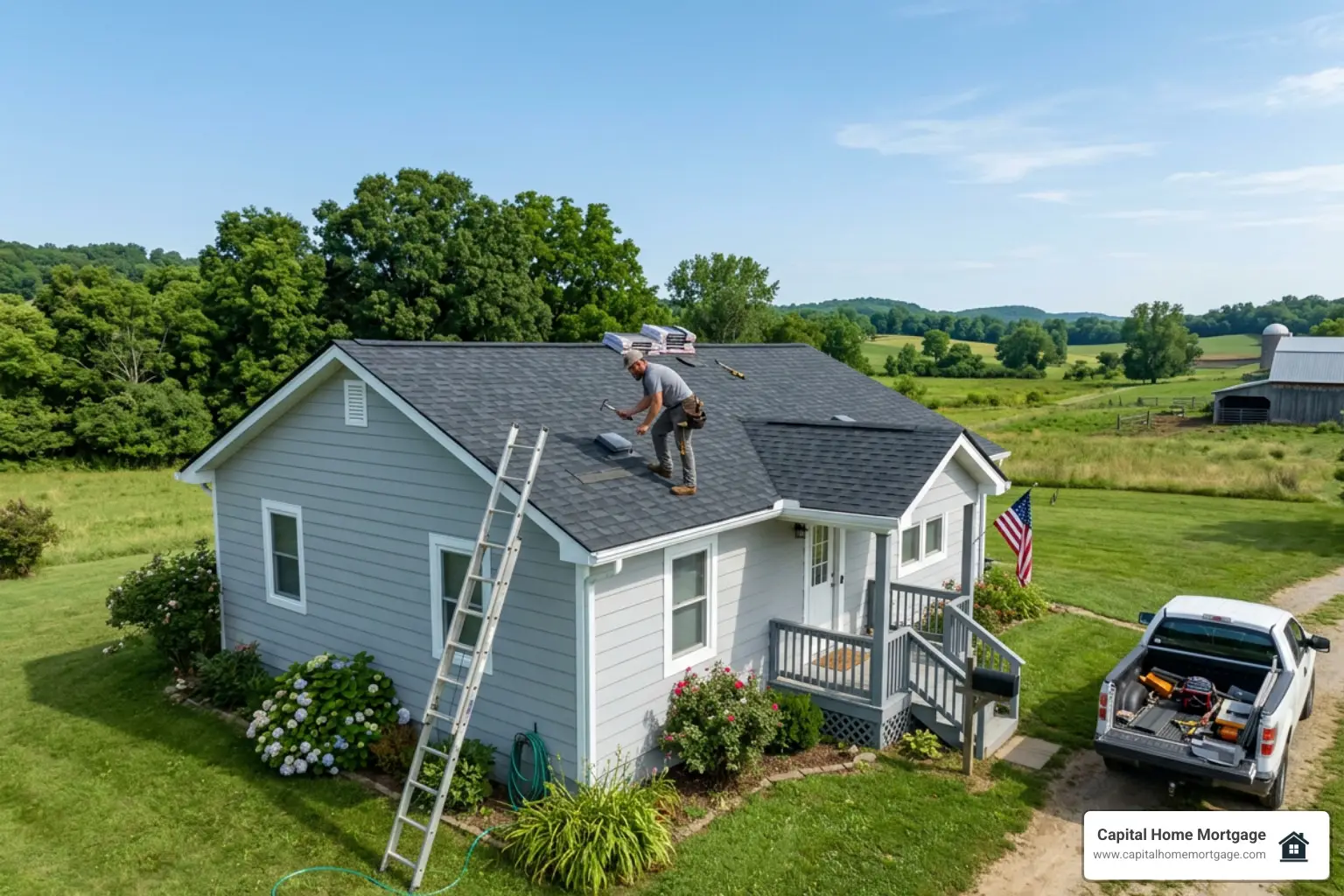
- Structural and exterior repairs: Replacing failing roofs, siding, gutters, downspouts, and foundational supports.
- Mechanical and utility systems: Upgrading plumbing, electrical wiring, heating systems, and central air conditioning.
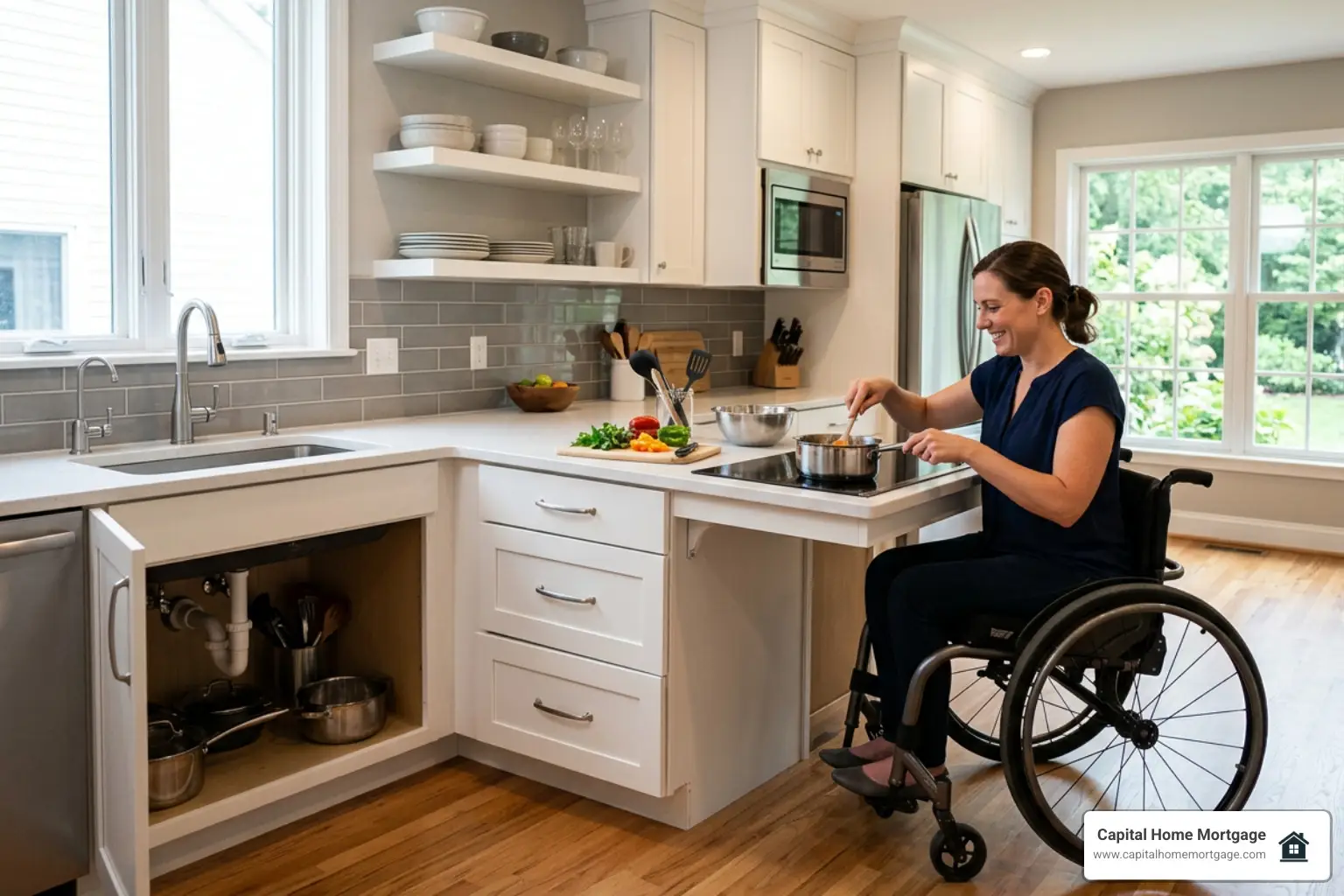
- Accessibility modifications: Installing exterior wheelchair ramps, widening interior doorways, lowering kitchen cabinetry, and fitting roll-in showers.
- Energy efficiency upgrades: Adding insulation, installing energy-efficient windows, or fitting solar energy components.
- Multifamily conversions: Altering and repairing existing residential buildings to create up to 4 distinct family living units.
- Historic rehabilitation and safety: Restoring certified historic residential homes or installing commercial fire-safety systems in eligible health care facilities.
HUD strictly excludes luxury amenities. You cannot use these funds to finance swimming pools, outdoor fireplaces, saunas, tennis courts, or luxury landscape architecture. Additionally, funds cannot reimburse work finished before submitting the loan application.
Loan Limits, Repayment Terms, and Collateral Rules
Loan maximums and repayment structures depend directly on the property type:
- Single-Family Homes: Borrow up to $25,000 with a maximum repayment term of 20 years.
- Manufactured Homes on Permanent Foundations: Borrow up to $25,090 with a maximum term of 15 years (classified and taxed as real estate).
- Manufactured Homes (Personal Property/Chattel): Borrow up to $7,500 with a maximum repayment term of 12 years.
- Multifamily Properties: Borrow up to $12,000 per living unit, capped at a maximum of $60,000 for a 2- to 4-unit property, with repayment terms up to 20 years.
A major benefit of the program is its flexible security threshold. Loans of $7,500 or less require no collateral. These signature-style notes do not place a lien against your house. For loan amounts exceeding $7,500, lenders secure the debt with a recorded mortgage or deed of trust on the property, which can sit in a junior (second) lien position behind your primary mortgage.
Manufactured Home Financing Under Title I
Manufactured housing is one of the most cost-effective routes to homeownership. However, securing traditional mortgage financing for factory-built homes can be difficult, particularly when the home sits in a park or on leased property.
The Financing Manufactured Homes (Title I) framework allows financing for units classified as personal property (chattel) as well as those titled as real estate. This makes our dedicated Manufactured Home Loans versatile across varying ownership scenarios.
Unit, Lot, and Combination Financing Structures
Under the baseline parameters detailed in the Manufactured Home Loan Insurance standards, Title I divides manufactured housing loans into three distinct categories:
- Manufactured Home Unit Only: Maximum loan amount of $69,678 with a maximum repayment term of 20 years.
- Manufactured Home Lot Only: Maximum loan amount of $23,226 with a maximum repayment term of 15 years.
- Manufactured Home and Lot Combination: Maximum loan amount of $92,904 with a maximum term of 20 years for single-section homes, expanding to 25 years for multi-unit (multi-section) configurations.
All homes financed under the program must display the official HUD certification label and satisfy Model Manufactured Home Installation Standards, ensuring structural integrity and safety. If you are purchasing a brand-new unit, HUD requires a one-year manufacturer’s warranty.
Leased Land Guidelines and Park Tenant Protections
A frequent concern among manufactured home buyers is whether they can secure financing if they do not own the land beneath the home. The answer is yes. FHA Title I explicitly allows financing for homes situated in manufactured home communities or mobile home parks.
To protect homeowners from abrupt displacement or land sales, HUD enforces clear leasehold rules:
- The homesite lease must carry an initial minimum term of at least 3 years.
- The lease agreement must state that the park owner/landlord must provide at least 180 days advance written notice prior to any lease termination.
- The site must provide reliable, continuous water supply and sewage disposal facilities meeting local municipal standards.
Comparing FHA Title I vs. FHA 203(k) Renovation Loans
Borrowers looking to finance home repairs often evaluate Title I alongside the FHA 203(k) Rehabilitation Mortgage. While both are insured by HUD, they serve entirely different financing structures.
A Title I loan is an independent, standalone loan that covers only the direct cost of proposed improvements without altering your existing first mortgage. In contrast, an FHA 203(k) loan wraps both the home purchase (or refinance) and the total cost of major structural renovations into a single primary mortgage. For an in-depth breakdown of major overhauls, review How to Finance Home Repairs with an FHA 203k Renovation Loan.
| Feature | FHA Title I Property Improvement | FHA 203(k) Rehabilitation Loan |
|---|---|---|
| Primary Purpose | Minor to moderate repairs, alterations, and accessibility upgrades | Major structural remodels, historic rebuilding, or buying fixer-uppers |
| Mortgage Structure | Standalone loan (unsecured or junior lien); leaves primary mortgage untouched | Single, all-inclusive primary mortgage (replaces existing mortgage) |
| Maximum Loan Amount | $25,000 (Single-Family) | Standard FHA county forward mortgage limits |
| Collateral Requirement | Unsecured if $7,500 or less; recorded lien if over $7,500 | Recorded first lien on the entire real estate property |
| Home Appraisal | Not required | Mandatory (based on projected future value after repairs) |
| Home Equity Needed | None required | Governed by FHA loan-to-value limits |
| DIY Repairs Allowed | Yes (materials cost only, with itemized work breakdown) | Rarely permitted (requires licensed, insured general contractors) |
Qualifying Criteria and Finding an Approved Lender
Qualifying for a Title I loan involves standard FHA underwriting principles designed to confirm your ability to manage monthly payments. When browsing available Home Loans, knowing your numbers in advance streamlines the entire approval workflow.

Underwriting Standards for FHA Title I Loans
- Credit Score & Down Payments: For manufactured home purchases, HUD sets the minimum baseline credit score at 500. Borrowers with credit scores above 500 must make a minimum down payment of 5% (maximum 95% LTV). Borrowers with credit scores of 500 or lower are required to make a minimum down payment of 10% (maximum 90% LTV). Existing trade-in equity from an older manufactured unit can count toward this requirement.
- Debt-to-Income (DTI) Limits: For property improvement loans, your total fixed monthly expenses generally cannot exceed 45% of gross monthly income. For manufactured home loans, standard qualifying limits are 31% front-end / 43% back-end DTI. If the home meets Energy Star efficiency standards, back-end DTI allowances expand up to 45%.
- Occupancy & Ownership: Properties must serve as your primary residence; vacation homes and investment rentals are ineligible. Applicants can be property owners, buyers purchasing under a recorded land contract, or long-term leaseholders (provided the lease extends at least six months past the loan maturity date).
How to Find an Approved Lender and Apply
Title I loans are originated either directly through an FHA-approved lender or through an approved contractor/dealer network:
- Direct Lending: You apply directly with an approved financial institution, receive your funds, and oversee contractor hiring or purchase materials for DIY improvements.
- Dealer/Contractor Originated: An FHA-approved contractor or manufactured home retailer assists in submitting your application directly to an approved lender. HUD requires lenders to independently vet contractors and dealers to protect consumers from fraudulent practices.
To apply, gather proof of household income, tax documentation, and detailed contractor bids (or a written material cost breakdown if completing the work yourself).
Frequently Asked Questions About FHA Title I Financing
What is the maximum unsecured amount for an FHA Title I loan?
The maximum unsecured amount for an FHA Title I Property Improvement loan is $7,500. Any loan at or below this threshold does not require you to pledge your home as collateral or record a lien against the title.
Can you use a Title I loan on a manufactured home on leased land?
Yes. You can finance a manufactured home located on leased property or within a mobile home community, provided the lot lease agreement includes an initial term of at least 3 years and requires at least 180 days advance written notice prior to termination.
Does an FHA Title I property improvement loan require a home appraisal?
No. Title I Property Improvement loans do not require a formal home appraisal. Approvals are based on borrower creditworthiness, documented income, and verified contractor repair estimates rather than property valuation.
Conclusion
Upgrading your home or purchasing a factory-built property should not depend on having large cash reserves or substantial home equity. FHA Title I loans offer accessible financing structures, manageable credit thresholds, and flexible collateral terms to help homeowners improve their living spaces.
At Capital Home Mortgage, we are a direct, full-service mortgage lender offering a comprehensive suite of home-loan products. With our in-house processing and underwriting, we provide quick approvals, on-time closings, and dedicated loan-officer guidance every step of the way. If you are exploring personal property financing or specialized chattel home loans, our team is ready to help you navigate your options and secure the right loan for your needs.